In just over two decades, competitive gaming has transformed from casual LAN parties and local tournaments into a high-stakes, professionally managed, and widely broadcast global phenomenon. By 2025, esports has become a $4 billion industry, commanding audiences in the hundreds of millions and shaping the future of entertainment, digital culture, and youth engagement.
What Started as Niche Tournaments in Internet Cafés Has Exploded into a Multi-Billion Dollar Global Spectacle
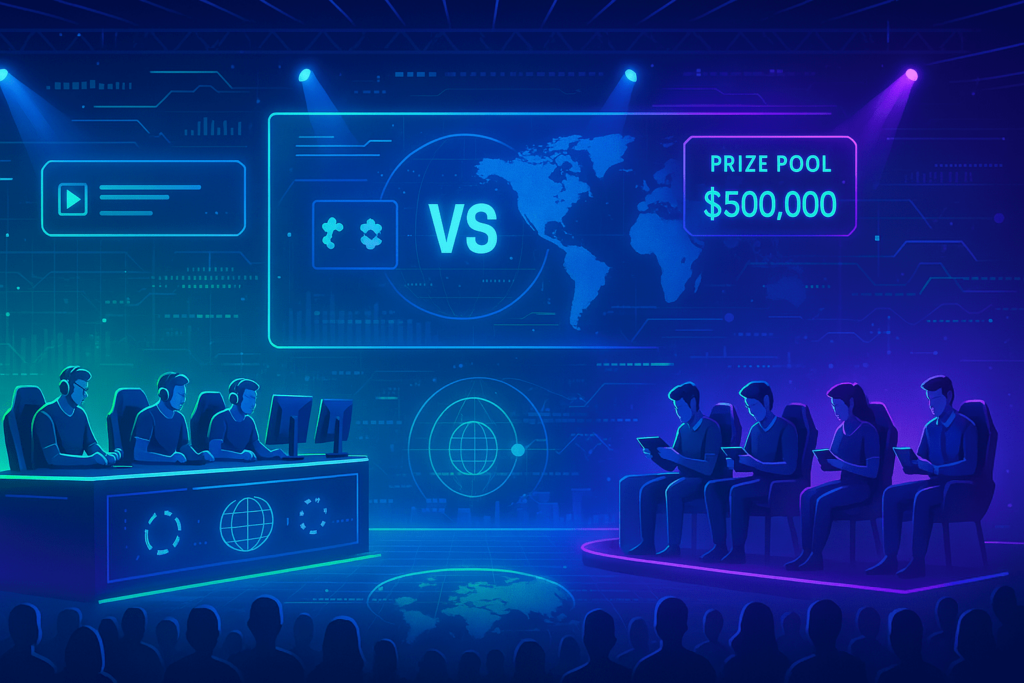
This article explores the meteoric rise of the competitive gaming industry, how it became a mainstream powerhouse, and what continues to drive its growth across the globe.
The Evolution of Esports: From LAN Parties to Global Stadiums
The roots of esports stretch back to the 1990s, when games like Quake and StarCraft laid the groundwork for competitive digital entertainment. LAN parties turned into organized tournaments, but the true inflection point came with the rise of broadband internet and live-streaming platforms.
Key milestones in esports history include:
- 2007: Launch of Twitch (originally Justin.tv), making it easy to stream and watch live gameplay.
- 2010s: The rise of flagship titles like League of Legends, Dota 2, Counter-Strike: Global Offensive, and later Valorant.
- 2016–2020: Formation of structured leagues like the Overwatch League and League of Legends Championship Series (LCS).
- 2020–2023: The explosion of mobile esports and hybrid tournament formats post-pandemic.
Professional teams such as Team Liquid, T1, and Fnatic have become household names in the gaming world. Franchise leagues, brand partnerships, and structured player development have elevated esports into a serious business.
Why Esports Grew So Rapidly
Streaming Platforms and Global Accessibility
Platforms like Twitch, YouTube Gaming, and TikTok Live brought esports to a global audience. In Southeast Asia and India, mobile-first streaming platforms helped unlock access to millions of fans who never owned a console or high-end PC.
Sponsorships and Brand Investment
Esports became an attractive opportunity for non-endemic brands like Red Bull, Coca-Cola, Adidas, and Louis Vuitton. These sponsors capitalized on esports’ massive Gen Z and Gen Alpha audiences, integrating directly into events, streams, and even in-game assets.
Mobile Esports Explosion
The rise of games like PUBG Mobile, Free Fire, and Mobile Legends: Bang Bang sparked an esports boom in emerging markets. Mobile esports offered low-barrier entry for both players and viewers, driving numbers into the hundreds of millions.
Youth-Centric Audience and Digital Culture
Unlike traditional sports, esports evolved natively within digital spaces. Younger generations don’t just watch esports—they stream, chat, meme, and play. Esports became the default entertainment and social environment for digital natives.
Pandemic Acceleration & Hybrid Events
COVID-19 paused traditional sports and catalyzed digital-first events. Esports adapted with remote broadcasts, virtual arenas, and hybrid events. Even as live events returned, the digital infrastructure remains a core part of the ecosystem.
The Esports Economy: Where the $4 Billion Comes From
The global esports market in 2025 generates revenue from multiple sources:
- Sponsorships: The largest revenue stream, estimated at over $1.2 billion, driven by brand integrations, naming rights, and product placements.
- Media Rights: Broadcast deals with platforms and networks, including exclusive rights for tournaments.
- Advertising: In-stream ads, banner placements, and branded content during events.
- Publisher Fees: Game publishers fund and operate leagues, generating revenue via partnerships and licensing.
- Merchandise & Ticketing: Though still small compared to sports, this segment is growing fast with fan loyalty and offline events returning.
According to Newzoo and Statista projections, esports is on track to reach $4.1 billion in annual revenue by the end of 2025, with Asia-Pacific leading in audience share.
Regional Powerhouses in Esports
North America
Known for its franchised leagues and investor-backed teams, North America has established esports as both a cultural and business enterprise. VC firms and traditional sports franchises continue to pour capital into esports orgs.
South Korea
Often called the birthplace of esports, South Korea boasts elite infrastructure, government support, and national broadcast coverage of major games. The region remains a dominant force, especially in League of Legends and StarCraft.
China
With massive viewership and publisher-led ecosystems, China is a global leader in both player base and monetization. Tencent and NetEase drive competitive scenes across multiple titles with strong state backing.
Southeast Asia
SEA is a mobile-first esports powerhouse. Titles like MLBB and Free Fire dominate here, supported by strong grassroots scenes, influencer marketing, and a fast-growing player base.
Europe
Home to world-class players, stable organizations, and academic esports growth, Europe maintains strength in CS:GO, LoL, and emerging disciplines. Universities and national leagues are expanding esports education and research.
Challenges and What’s Next for Esports
Despite the massive growth, challenges remain:
- Monetization per viewer is still low compared to traditional sports.
- Sustainability of esports organizations is under scrutiny due to high overheads and inconsistent revenue streams.
- Player burnout and contract disputes highlight the need for better industry standards and protections.
Looking ahead, the future of esports includes:
- VR/AR Integration: Creating more immersive spectating and player experiences.
- AI Coaching & Analytics: Leveraging data to optimize performance and strategy.
- Collegiate & Youth Development: Strengthening pipelines and legitimizing esports within academic systems.
Conclusion
Esports has evolved from a subculture into a $4 billion global industry with real-world influence. It has changed how we define sports, community, and digital entertainment. As it continues to professionalize, diversify, and innovate, esports isn’t just here to stay—it’s shaping the future.
By 2030, esports may rival traditional sports not just in viewership—but in cultural influence, infrastructure, and innovation.

Penulis di WP Builder yang fokus bahas freelance, karier, dan investasi untuk
anak muda Indonesia. Suka ngebahas hal-hal praktis seputar cari klien freelance,
naik level karier, sampai cara mulai investasi yang ga ribet. Tujuannya simpel:
bantu pembaca ambil keputusan finansial dan profesional yang lebih cerdas.