What was once dismissed as “just gaming” is now a multi-billion-dollar global industry—and education is finally catching up. Esports, or competitive video gaming, has transformed from a niche pastime into a legitimate career option for thousands of young people around the world. With this rapid growth, institutions are beginning to integrate esports into formal education systems, creating professional pathways that turn passion into a viable profession.
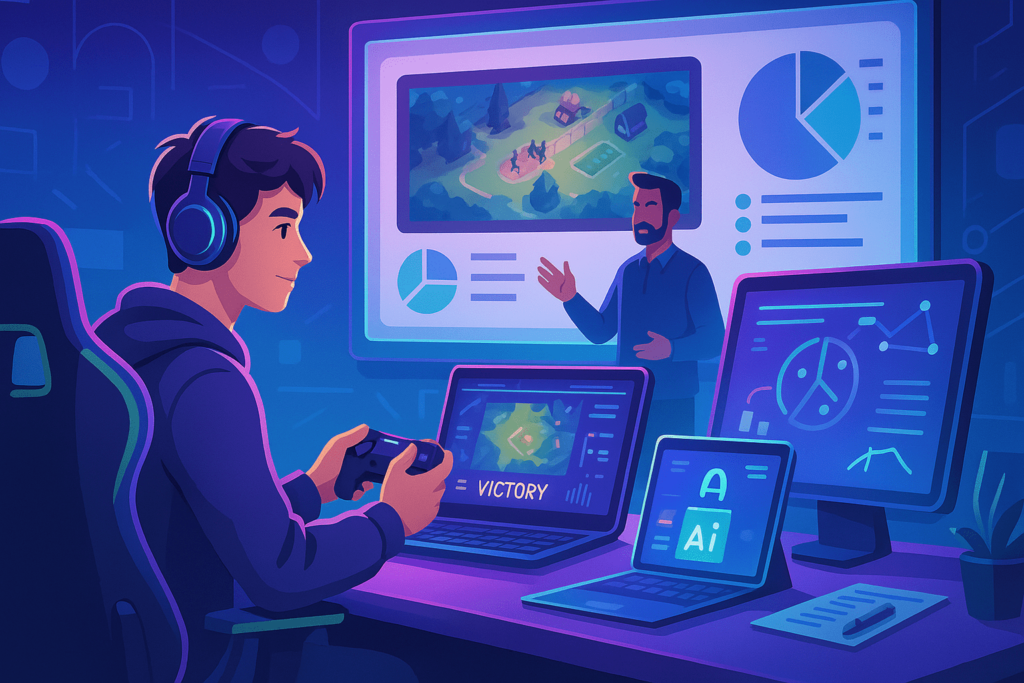
This article explores the rise of esports education, the development of structured programs, and the expanding career ecosystem supporting the next generation of gaming professionals.
Esports: From Passion to Profession
Esports began as grassroots communities playing games like StarCraft, Counter-Strike, and Warcraft III. Today, it’s a global phenomenon with major tournaments such as League of Legends World Championship, The International (Dota 2), and the Valorant Champions Tour drawing millions of viewers and multi-million-dollar prize pools.
Pro gamers are no longer just casual players; they train rigorously, have coaches and analysts, receive sponsorships, and manage their media presence across platforms. The ecosystem is professional, strategic, and lucrative—paving the way for education to play a bigger role in preparing talent.
Why Esports Education Is Growing
1. Industry Growth & Job Opportunities
The global esports industry surpassed $1.5 billion in revenue and continues to grow. Career opportunities extend far beyond just playing the game:
- Shoutcasters and commentators
- Team coaches and analysts
- Content creators and streamers
- Esports team managers and recruiters
- Social media and marketing specialists
2. Recognition by Academic Institutions
Academic institutions are taking esports seriously:
- Full Sail University (USA) offers a Bachelor of Science in Esports.
- University Pendidikan Indonesia (UPI Bandung) and other local institutions are creating esports development centers.
- Staffordshire University (UK) launched one of the first full-time esports degrees.
These programs include hands-on experience, industry connections, and scholarships to attract talented students.
3. Need for Professional Development
The esports industry demands more than just raw talent. Players and professionals benefit from training in:
- Teamwork and leadership
- Digital health and screen-time management
- Media and brand building
- Strategic thinking and adaptability
Esports education helps develop these attributes in a structured and sustainable way.
Curriculum & Skill Development in Esports Education
Modern esports programs cover a wide range of skills:
- Technical: Game design, coding, video editing, streaming software
- Soft skills: Public speaking, conflict resolution, time management
- Business: Event management, sponsorship acquisition, brand strategy
These holistic programs prepare students for the dynamic, interdisciplinary nature of the esports industry.
Professional Pathways in the Esports Ecosystem
A career in esports doesn’t end at being a professional player. Here are some popular roles:
- Pro Gamer: Compete in national and international tournaments
- Coach & Analyst: Build strategies and analyze performance
- Broadcast Talent: Shoutcasters, stream hosts, content presenters
- Esports Marketing & PR: Handle branding and fan engagement
- Tournament Organizer: Manage logistics, partnerships, and production
Challenges in Esports Education
Despite progress, several challenges persist:
- Stigma: Many parents and educators still see gaming as a distraction
- Health concerns: Balancing screen time with physical and mental health
- Industry pace: Game trends and industry needs evolve rapidly
Institutions must address these concerns while educating both students and their support systems.
The Future of Esports as a Career
Looking ahead, the esports industry is likely to see:
- More accredited esports programs globally
- Stronger demand for hybrid skills (tech + communication + business)
- Gamers transitioning to entrepreneurship, team ownership, or education roles
Esports will become an integral part of vocational and higher education pathways, especially for Gen Z and Gen Alpha.
Conclusion & Call to Action
Esports is no longer a fringe activity—it’s a growing, legitimate career path supported by educational institutions worldwide. From AI-driven analytics to global branding, the skills taught in esports programs are highly relevant in the digital age.
Whether you’re a student, educator, or aspiring gamer, now is the time to explore how esports can be more than a passion—it can be your profession.

Penulis di WP Builder yang fokus bahas freelance, karier, dan investasi untuk
anak muda Indonesia. Suka ngebahas hal-hal praktis seputar cari klien freelance,
naik level karier, sampai cara mulai investasi yang ga ribet. Tujuannya simpel:
bantu pembaca ambil keputusan finansial dan profesional yang lebih cerdas.