The esports industry is exploding—with millions of fans, billion-dollar revenues, and massive global reach. For brands, it’s the ultimate marketing playground. But here’s the catch: jumping into esports without understanding its unique culture can do more harm than good.
Esports Is Booming—But Are You Doing It Right?
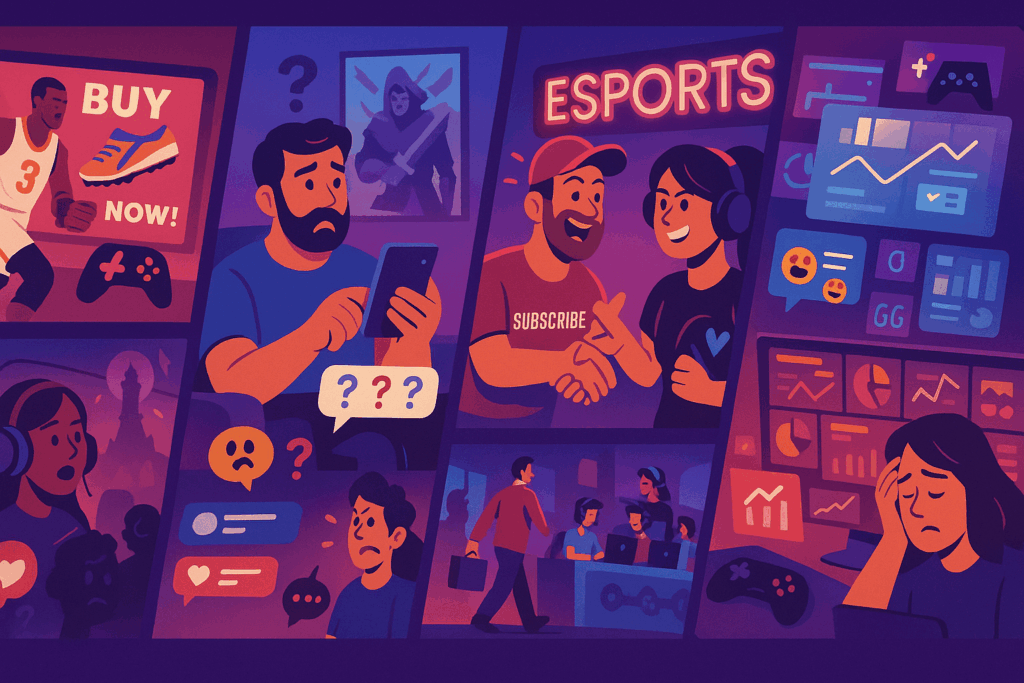
From mismatched sponsorships to tone-deaf campaigns, many well-known brands have stumbled in their early esports efforts. This article breaks down five of the most common mistakes brands make when entering the esports scene, along with practical tips to help you avoid making the same ones.
1. Treating Esports Like Traditional Sports Marketing
Why the “Copy-Paste” Strategy Doesn’t Work
Esports may have “sports” in the name, but the audience mindset and community values are wildly different. Brands often assume that what works in football or basketball—like stadium ads or trophy naming rights—will translate directly to esports. Big mistake.
The Culture Is Online-First
Esports fans live online. They engage through Twitch chats, Discord servers, memes, and Reddit threads. If your brand doesn’t speak their language or understand their platforms, your message might feel off—or worse, ignored.
How to Avoid It
Focus on community engagement over broadcast exposure. Sponsor live streams, work with content creators, and support events where the fanbase truly hangs out.
2. Choosing the Wrong Game or Audience
Not All Games—and Gamers—Are the Same
Just because a game is popular doesn’t mean it’s right for your brand. Fortnite fans and League of Legends fans have different expectations, cultures, and humor. Partnering with the wrong title can send the wrong message.
Case in Point
A luxury watch brand tried sponsoring a mobile battle royale tournament. The clash in audience lifestyle and expectations made the campaign feel tone-deaf—and it fizzled fast.
How to Avoid It
Research the demographics and community tone of each game. Choose titles and tournaments where your brand naturally fits. A tech gadget brand might thrive in Valorant, while an energy drink is better off in Call of Duty esports.
3. Overlooking Authenticity in Influencer Partnerships
Fans Can Spot a Fake Collab Instantly
Influencers are the heart of esports marketing. But partnering with a creator just for numbers—without real brand fit—can backfire. Gamers value authenticity, and nothing turns them off faster than forced or awkward sponsorships.
The Wrong Way
A clothing brand once partnered with a pro gamer who never wore their product on-stream, didn’t mention the brand, and didn’t align with its vibe. The result? Low engagement and wasted budget.
How to Avoid It
Choose influencers who already use or appreciate your product. Let them create content in their voice, not a scripted brand message. Trust is everything.
4. Ignoring the Power of Long-Term Investment
Esports Isn’t a One-Off Marketing Gimmick
Some brands treat esports like a viral stunt—sponsor a tournament, run a quick campaign, and disappear. That approach may generate short-term views, but it misses the long-term value of loyalty and brand integration.
The Missed Opportunity
Fans remember who stuck around. Long-term sponsors like Red Bull and Intel have built deep credibility in esports because they kept showing up.
How to Avoid It
Plan a campaign that evolves over time. Support talent, sponsor team content, create ongoing challenges or giveaways. Build a relationship, not just a banner ad.
5. Failing to Measure the Right Metrics
It’s Not Just About Impressions
Esports campaigns often generate buzz—but is it the kind that drives real results? Brands that only track basic impressions might miss whether they’re truly resonating with fans.
Real Value Lies in Engagement
Did people comment on the content? Did they click through? Did they associate your brand positively with the event? These are the metrics that matter in esports.
How to Avoid It
Work with partners who provide deep analytics—engagement, sentiment, community reach. Use those insights to refine your strategy and double down on what works.
Final Thoughts: Winning in Esports Starts with Listening
Esports isn’t just another ad space—it’s a culture. A fast-moving, passionate, global community that values connection, authenticity, and innovation. If your brand enters with respect and genuine interest, the rewards are huge.
Call to Action
Thinking of getting your brand into esports? Start by listening. Join live streams, follow top creators, dive into the discourse. When you truly understand the space, you’ll find smarter ways to connect—and stand out.

Penulis di WP Builder yang fokus bahas freelance, karier, dan investasi untuk
anak muda Indonesia. Suka ngebahas hal-hal praktis seputar cari klien freelance,
naik level karier, sampai cara mulai investasi yang ga ribet. Tujuannya simpel:
bantu pembaca ambil keputusan finansial dan profesional yang lebih cerdas.